• • • • • Ausfahrt • / Website Bat-Sheva Ofra Haza-Ashkenazi (: עפרה חזה; November 19, 1957 – February 23, 2000) was an Israeli singer, actress and -nominee recording artist, commonly known as ', or 'Madonna of the East'. Her voice has been described as a 'tender'. Inspired by a love of her and culture, her music quickly spread to a wider Middle Eastern audience.

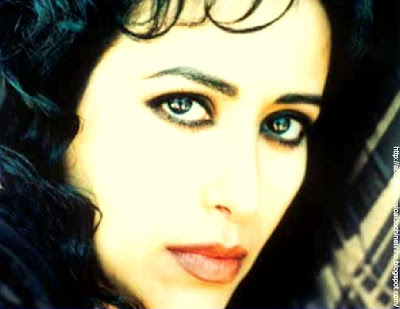
[ ] As her career progressed, Haza was able to switch between traditional and more commercial singing styles without jeopardizing her credibility. Her music fused elements of Eastern and Western instrumentation, orchestration and dance-beat. She became successful in Europe and the Americas; during her singing career, she earned many platinum and gold discs. Contents • • • • • • • • • • • • • • • • Early life [ ] Bat-Sheva Ofra Haza was born in,, to Jewish parents who to Israel from Yemen. She was the youngest of nine children (six sisters and two brothers) to Yefet and Shoshana Haza. They raised her in the, an impoverished neighborhood of Tel Aviv.
Desert Wind, an Album by Ofra Haza. Released in 1989 on Sire (catalog no. 9 25976-2; CD). Genres: Jewish Music, Folktronica, Synthpop.
Her first home was on Boaz Street. At age 12 Haza joined a local theater troupe, and manager Bezalel Aloni spotted her singing talent. He staged many of his productions around her, and later became her manager and mentor. At 19 she was Israel's foremost pop star, and music journalists retrospectively described her as 'the of the East'. By the time she had completed her in 1979, Haza had matured as a singer and was ready to launch a solo career.
Career [ ] Her first album, entitled Al Ahavot Shelanu (About Our Loves), was released in 1980 and yielded a string of popular radio hits, including Hageshem (The Rain), Shir Ahava La'chayal (Love Song For The Soldier), Kmo Tzipor (Like A Bird) and what ultimately became her in Israel, Shir Ha'frecha (The Song). The latter was written for the film (1979) in which Haza played a leading role. At first, radio stations across the country refused to play the song due to its lyrics, which at the time were unaccepted, but it quickly climbed the charts and reached No. 1, where it stayed for five consecutive weeks. Later in the year, the album reached gold status. A second album soon followed, Bo Nedaber (Let's Talk), eventually going gold, which included the hugely popular hits Tfila (Prayer) and Simanim Shel Ohavim (Lovers Signs). Her third album, Pituyim (Temptations) came out in 1982 and enjoyed equal success, reaching gold status as well, with such hits as Gabriel and Kol Yom Matchila Shana (A New Year Starts Every Day).
With this album, more well-known writers agreed to write her songs, including and. In 1983, Haza's career jumped to a new level of success and popularity. At the, she came in a close second to the entry with the song ' (Alive). Her popularity in Israel reached enormous heights. Her first platinum album, 'Chai', released in 1983, became her biggest-selling album to date, and the title track was voted the No. 1 song of the year. Additional hits from the album included Amen Lamilim (Amen For Words) and Sof Hakayitz (End Of Summer).
Haza was voted 'Female Vocalist Of The Year' four years in a row, from 1980 through 1983. Later that year, Haza released Shirey Moledet which consisted of her renditions of well-known Israeli, eventually going platinum as well. Public response was so overwhelming, she went on to release two more volumes (in 1985 and 1987). Bait Ham (Warm House) was released in 1984 and included such hits as Yad Beyad (Hand In Hand), Itcha Halayla (With You Tonight) and the title track.
Download Ptk Pai Sd Terbaru 2017. The album quickly went gold. In December that year, Haza released what was to become the turning-point of her career, a collection of, simply titled Yemenite Songs. Despite lukewarm radio airplay, the album went on to become a best-seller, quickly reaching platinum status. This LP was reissued in the United States by under the title Fifty Gates of Wisdom.
The album Adama (Earth) followed in 1985 and saw the top writers in the country contribute to the album:,, Ya'akov Orland and, among others. The album produced the enormously popular hits, Adama, Goral Echad (One Destiny) and Mishehu Holech Tamid Iti (Someone Always Walks With Me), and reached gold status. Later that year, Ofra released 'Shirey Moledet B', a continuation of her renditions of well known Israeli folk songs. The album went gold. In 1986, Haza tried to update her sound and gathered with acclaimed producer to create Yamim Nishbarim (Broken Days).